Aligning Reward Points Strategies with Fluctuating Project Cycles in Independent Contracting
Written by Nils Patterson · Nov 2, 2026
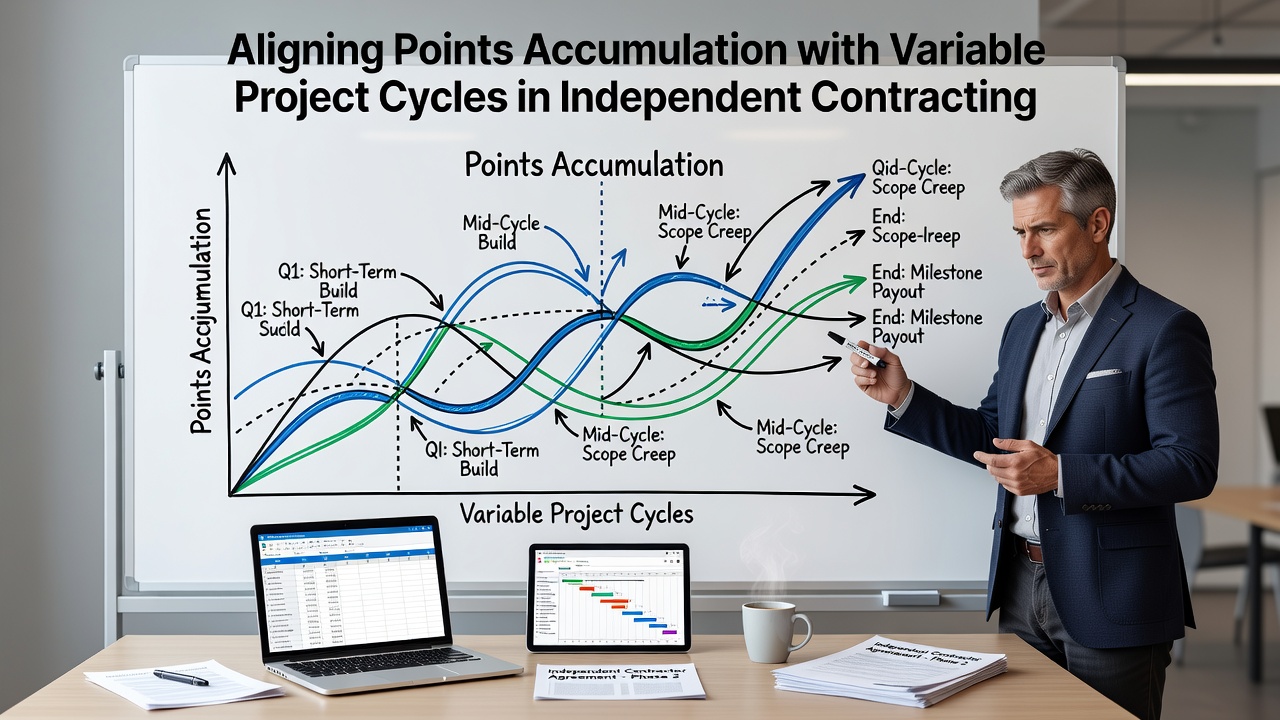
Aligning Reward Points Strategies with Fluctuating Project Cycles in Independent Contracting
Data from the US Bureau of Labor Statistics shows that independent contractors often experience project cycles that last anywhere from a few weeks to several months, and these patterns create unique opportunities for coordinating spending with points-earning credit cards. Observers note that many contractors receive lump-sum payments upon project completion, which means large expenses like equipment purchases or software subscriptions tend to cluster around specific phases rather than spreading evenly throughout the year.
Those who study freelance income patterns find that aligning points accumulation requires careful timing of card usage around invoice payments and client reimbursements. Research indicates contractors who track their project milestones against card reward cycles can capture more bonus categories, such as travel or office supply bonuses, without exceeding their typical monthly budgets. Figures from the Australian Bureau of Statistics reveal that self-employed workers in creative and technical fields report income variability of up to 40 percent quarter to quarter, underscoring the need for flexible reward strategies that adapt to these swings.
Mapping Project Phases to Points Earning Windows
Independent contractors frequently divide their work into distinct stages including client acquisition, active delivery, and post-project follow-up, and each stage brings different spending requirements that map naturally onto reward categories. Experts have observed that front-loading points-earning purchases during the delivery phase, when software licenses and subcontractor fees peak, allows contractors to meet minimum spending thresholds for sign-up bonuses more reliably than spreading charges across slower periods. Data shows many professionals use this approach to unlock higher-tier rewards that would otherwise remain out of reach during low-activity months.
Contractors who maintain separate cards for different project types report smoother alignment because one card can handle recurring business expenses while another captures travel bonuses during client meetings or site visits. According to industry reports, this segmented method reduces the risk of missing out on rotating quarterly categories that align with seasonal project demands in fields like construction, consulting, and digital services.
Tools and Tracking Methods That Support Variable Cycles
Software platforms now integrate project management timelines with spending trackers, giving contractors visibility into upcoming cash flow events that coincide with card statement closing dates. People who adopt these combined systems discover they can shift non-urgent purchases, such as hardware upgrades, to months when project payments arrive and points multipliers are active. Studies from research institutions indicate that such proactive scheduling increases overall points yields by matching high-value spending with peak reward periods rather than reacting after the fact.
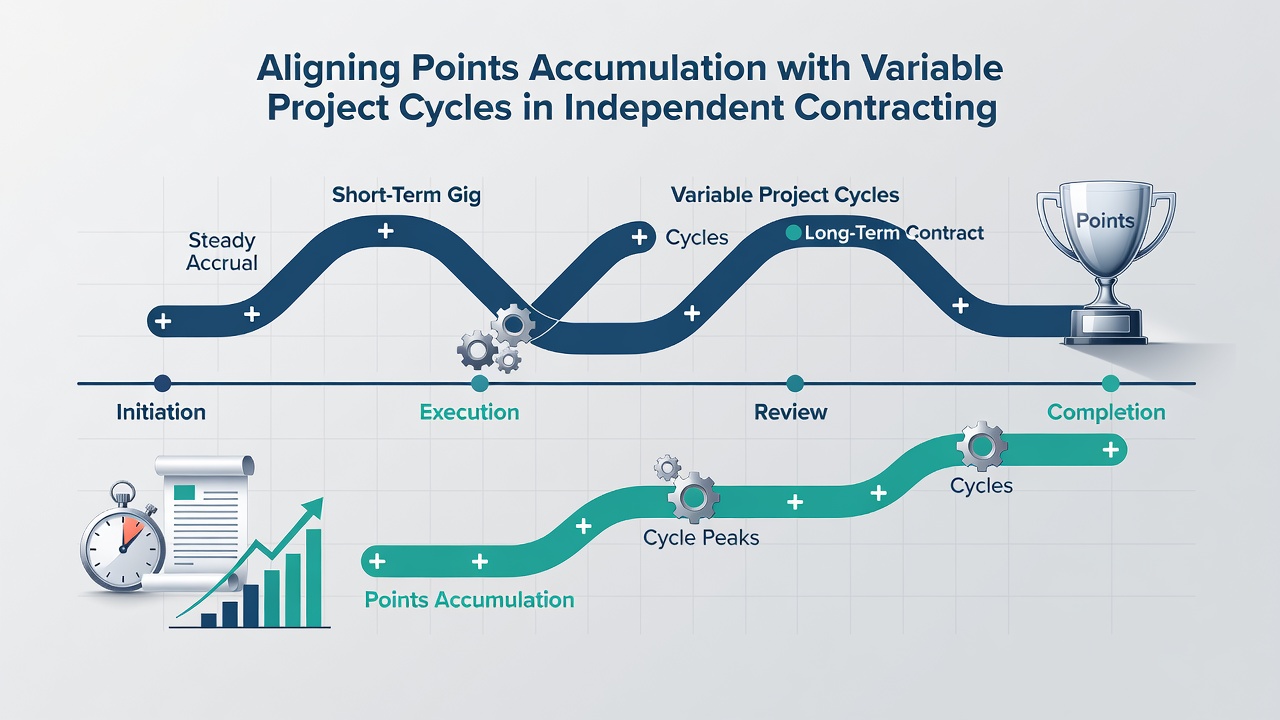
Those managing irregular schedules often set calendar alerts tied to both client deliverables and card reward resets, creating a rhythm that prevents points from expiring during extended gaps between contracts. Evidence suggests this dual-tracking habit proves especially useful in November 2026, when several major card issuers plan to adjust bonus structures in response to evolving small-business spending data.
Regional Approaches and Regulatory Context
Contractors operating across borders encounter additional layers of complexity because tax reporting rules and expense categories differ by jurisdiction. The Canada Revenue Agency provides guidance on deductible business expenses that directly influence which purchases qualify for points earning without triggering compliance issues. Meanwhile, Eurostat data on self-employment patterns across the European Union highlights how contractors in member states increasingly use multi-currency cards to maintain points consistency when projects span different countries and payment systems.
Observers note that maintaining detailed records of both project income and points-earning transactions helps contractors reconcile rewards statements with tax filings, particularly when foreign client payments create timing mismatches. This documentation practice supports accurate allocation of points value as non-taxable benefits while preserving eligibility for business deductions.
Conclusion
Aligning points accumulation with variable project cycles ultimately depends on consistent monitoring of both work milestones and card program rules. Contractors who integrate these elements into their existing workflows position themselves to capture maximum value from spending that occurs naturally within their business operations. As project-based work continues to expand, the methods for synchronizing reward programs with income fluctuations will likely evolve alongside new card features and reporting tools.