Establishing Credit Profiles: The Role of Secured Cards for Immigrant Communities
Written by Rosa Franke · Oct 5, 2026
Establishing Credit Profiles: The Role of Secured Cards for Immigrant Communities
Secured credit cards operate through a deposit that serves as collateral and sets the available credit limit, allowing users to demonstrate repayment behavior to credit bureaus over time. Immigrants arriving in new countries often encounter barriers when seeking unsecured credit because domestic credit histories do not exist yet, and many traditional lenders require established records before approval. Research from financial oversight agencies shows that secured products provide an entry point for those building profiles from scratch, with payment data reported to major bureaus in regions including North America and parts of Europe.
Core Mechanics of Secured Cards
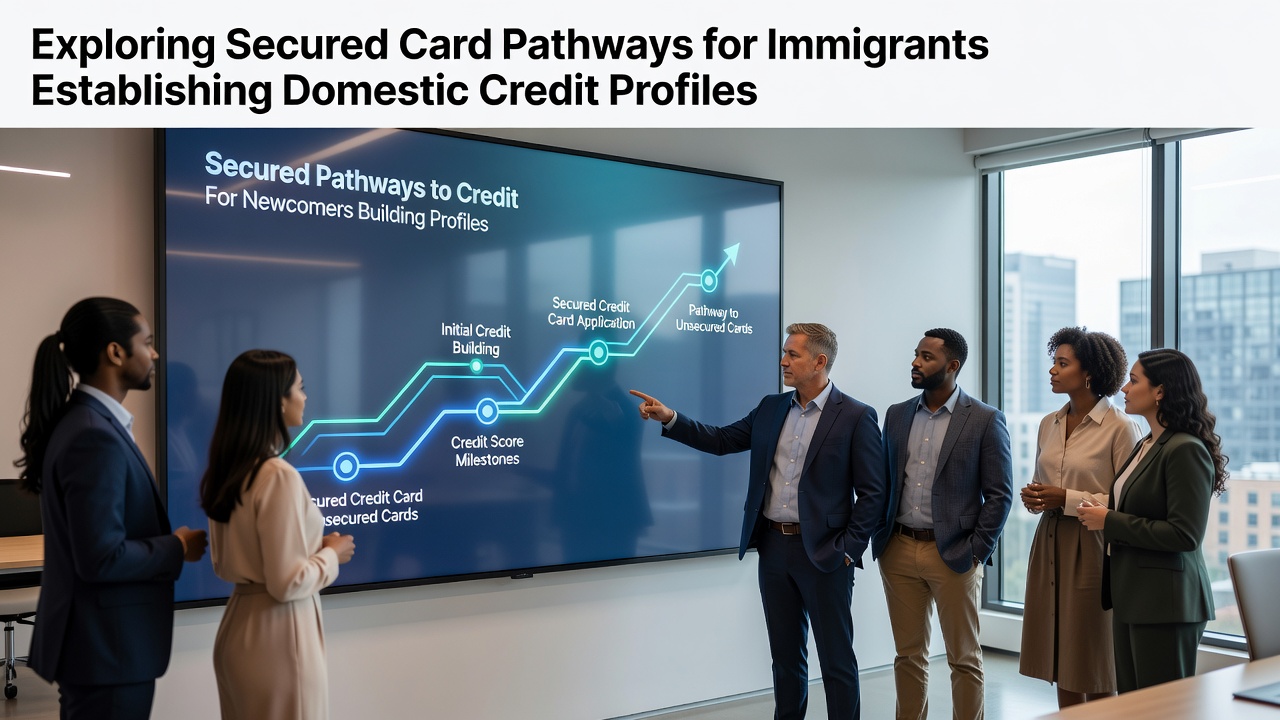
Issuers typically require an upfront deposit ranging from a few hundred to several thousand dollars depending on the product and the applicant's financial documentation, while the card functions much like a standard revolving credit line for purchases and monthly statements. Payments made on time contribute positively to credit scores through factors such as payment history and credit utilization ratios, whereas missed payments can lead to fees that reduce the deposit balance. Data from regulatory bodies indicates that these accounts convert to unsecured status once consistent on-time activity demonstrates reliability, usually after 12 to 24 months of use.
Documentation and Eligibility Pathways
Applicants commonly submit identification such as passports, visas, or residency permits along with proof of income through employment letters or tax filings, and banks in various jurisdictions accept foreign credit references when available to supplement domestic applications. In Canada, for instance, guidance from the Financial Consumer Agency outlines steps for newcomers to leverage secured options while establishing local records, and similar frameworks appear in Australian consumer protection materials. Observers note that language barriers and unfamiliarity with local scoring systems can slow the process, yet many institutions now offer multilingual support materials to address these gaps.
Integration with Broader Financial Systems
Once activity begins reporting, secured card usage feeds into algorithms that calculate scores used for mortgages, auto loans, and rental applications, creating compounding effects on housing and employment opportunities. Studies from academic institutions tracking immigrant cohorts reveal that early adoption of these products correlates with faster progression to prime credit tiers within three to five years, although outcomes vary by individual repayment discipline and overall debt levels. October 2026 updates to reporting standards in several markets have further aligned secured card data with conventional accounts, reducing discrepancies that previously delayed score improvements for recent arrivals.

Community organizations often partner with banks to host workshops that walk participants through application steps, helping users understand how deposits function as both security and starting credit limit. Those who've studied immigrant financial integration find that combining secured card use with secured loans or authorized user status on family accounts accelerates profile development, although each method carries distinct reporting rules across credit bureaus.
Challenges and Mitigation Strategies
High annual fees and limited reward structures characterize many secured products compared with unsecured alternatives, which can increase overall costs for users managing tight budgets during initial settlement periods. Regulatory updates in the European Union have introduced caps on certain fees for credit products aimed at vulnerable populations, providing a model that some North American issuers have begun to reference in their own offerings. Experts observe that selecting cards with no annual fees and clear conversion pathways helps offset these drawbacks, while monitoring statements monthly prevents small issues from escalating into larger score impacts.
Available Support Networks
Nonprofit credit counseling services and government-backed newcomer programs supply guidance on selecting appropriate products and disputing reporting errors when they arise, drawing from resources such as those published by the Consumer Financial Protection Bureau. Similar assistance appears through agencies in other regions, including materials from Australia's financial regulators that address credit building for visa holders. Case examples documented by research centers show individuals progressing from secured cards to multiple unsecured lines after demonstrating six months of flawless payments, illustrating the pathway's viability when followed consistently.
Conclusion
Secured cards continue to serve as foundational tools within credit ecosystems for immigrants establishing domestic profiles, supported by evolving regulations and institutional practices that recognize diverse arrival circumstances. Continued reporting improvements and expanded educational outreach suggest these products will remain relevant as global migration patterns shift, with outcomes tied directly to consistent usage and timely payments across reporting cycles.