Inflation Adjustments in Points-Based Rewards Systems for Varied Consumer Groups
Written by Drew Vogel · Oct 19, 2026
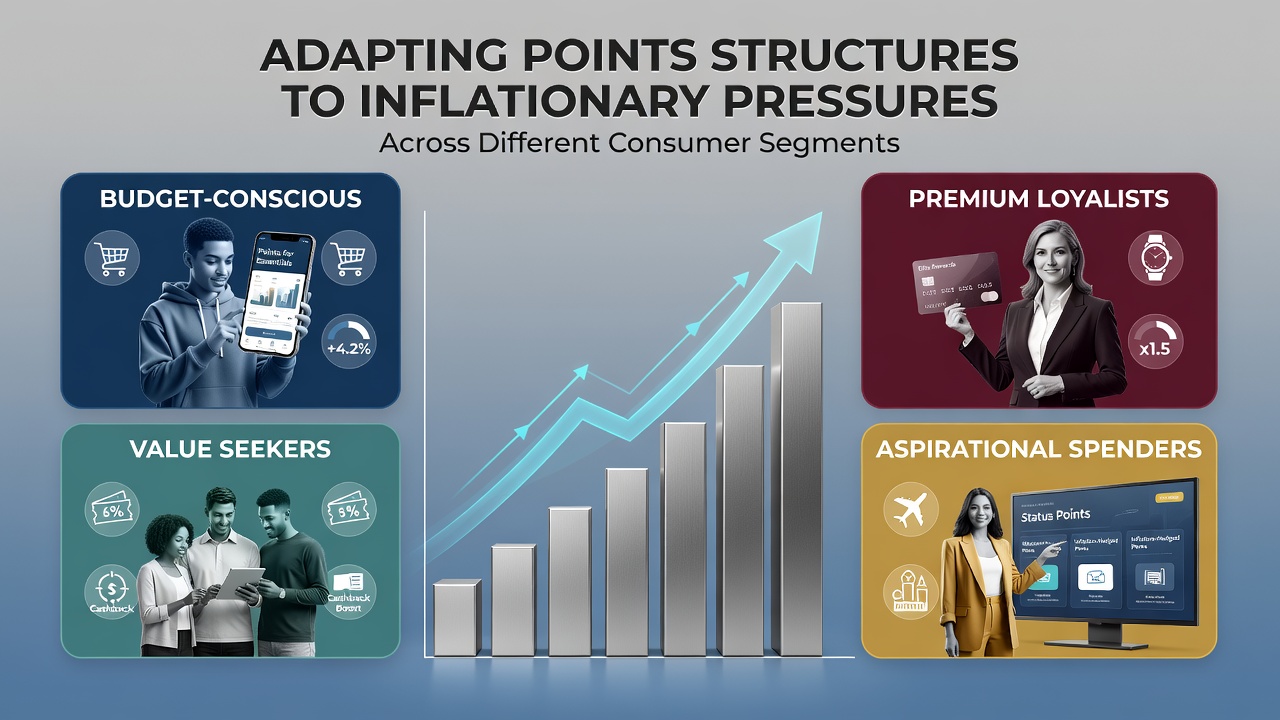
Inflation Adjustments in Points-Based Rewards Systems for Varied Consumer Groups
Points structures in rewards programs have shifted in measurable ways as inflation affects purchasing power, with issuers modifying earning rates, redemption values, and category bonuses to align with economic data from multiple regions. According to Federal Reserve economic reports, consumer price increases between 2022 and 2025 prompted several major card networks to recalibrate point valuations rather than maintain static ratios, while similar patterns appear in data released by the European Central Bank across eurozone markets.
Low-income consumer segments often experience faster erosion of points utility because everyday spending categories like groceries and fuel absorb larger portions of household budgets during price spikes. Programs have responded by expanding bonus multipliers on essential categories, and analysts note that some issuers introduced tiered earning structures where base rates rise automatically when inflation indices exceed preset thresholds. Those adjustments help maintain redemption parity for users whose transaction patterns cluster around necessity purchases.
Segment-Specific Adaptations in Earning and Redemption
Middle-income households, which frequently combine fixed salaries with variable discretionary spending, see different modifications. Issuers have introduced hybrid points systems that blend fixed-value redemptions with inflation-linked escalators, allowing points accumulated in travel or dining categories to retain equivalent purchasing power over time. Research from the Bank of Canada indicates that such mechanisms became more common after October 2025 when annual inflation readings prompted issuers to publish updated redemption charts quarterly instead of annually.
High-earning segments encounter fewer direct changes because their spending volumes already generate substantial points accumulation, yet programs still adjust by raising caps on transferable points or introducing premium redemptions tied to luxury goods whose prices rise more slowly than staples. Data from the Australian Bureau of Statistics shows parallel trends where premium card tiers added inflation buffers to protect against value decay in high-value redemptions such as international flights and hotel stays.
Structural Changes Across Programs
Issuers have also altered how points transfer to partner programs, with some networks applying dynamic exchange rates that fluctuate monthly based on published inflation metrics. These shifts prevent points from becoming over- or under-valued relative to partner currencies, and observers note that the approach reduces the need for abrupt program overhauls. One study from a European research institute found that dynamic transfer rates stabilized redemption volumes among frequent travelers even as ticket prices climbed.
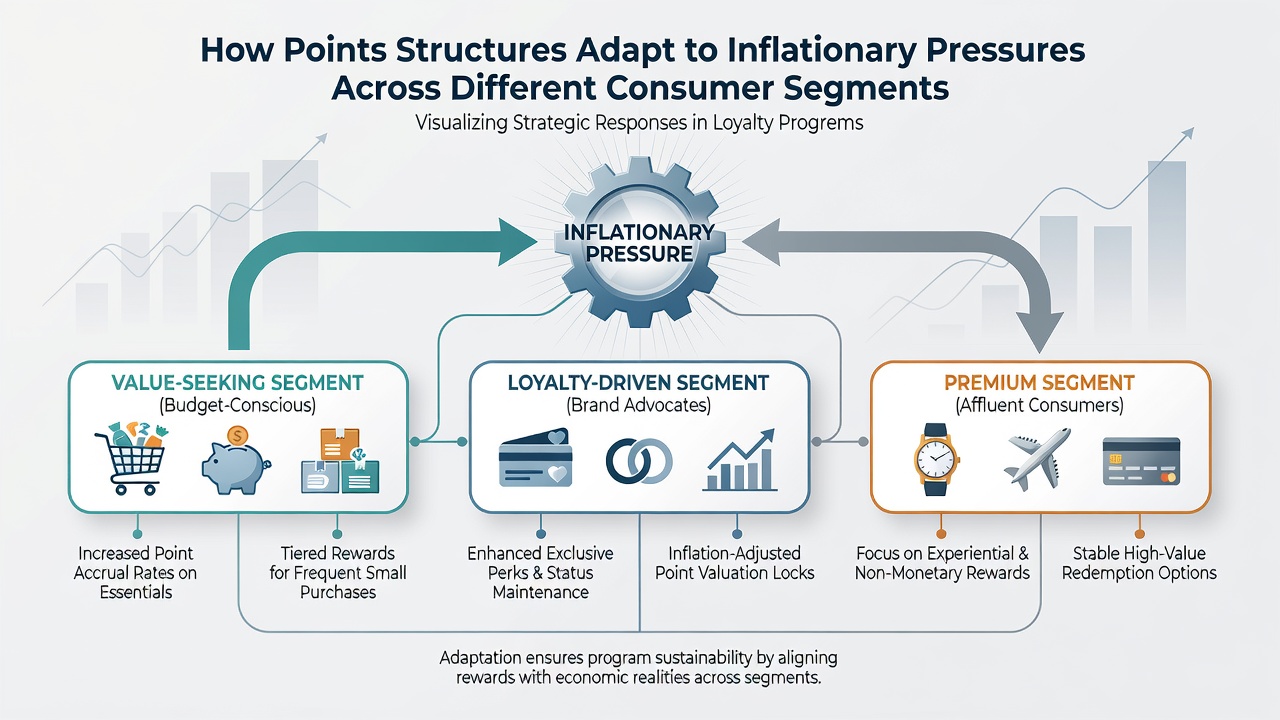
Consumer segments defined by age and location further influence adaptation strategies. Younger users who concentrate spending on digital services and subscription models receive targeted bonuses on those categories, whereas older demographics see expanded utility in healthcare and home maintenance redemptions. Geographic variations appear as well, with programs in regions experiencing higher volatility adjusting point expiration policies to give users longer windows before inflation-driven price changes render points less useful.
Data Patterns and Issuer Responses
Figures released by national statistical agencies reveal that points programs with automatic inflation indexing retained higher engagement levels across income brackets compared with static models. Issuers achieve this indexing through periodic audits of average redemption values against consumer price indices, then apply proportional increases to earning rates on affected categories. The process occurs without altering the core points currency, which preserves user familiarity while addressing real purchasing power shifts.
Payment networks have also introduced segment-specific communications that explain how points values have been recalibrated, helping users understand why redemption options change even when nominal point balances remain constant. These updates often coincide with broader economic releases, creating predictable review cycles that both consumers and program managers can anticipate.
Conclusion
Points structures continue evolving through targeted adjustments that reflect measured inflation impacts across consumer segments, supported by data from regulatory and statistical bodies. These changes maintain program viability by aligning earning and redemption mechanics with observed spending behaviors and price movements in different demographic groups.