Matching Credit Card Features to Variable Earnings in Freelance and Gig Work
Written by Lars Weber · Sep 21, 2026
Matching Credit Card Features to Variable Earnings in Freelance and Gig Work
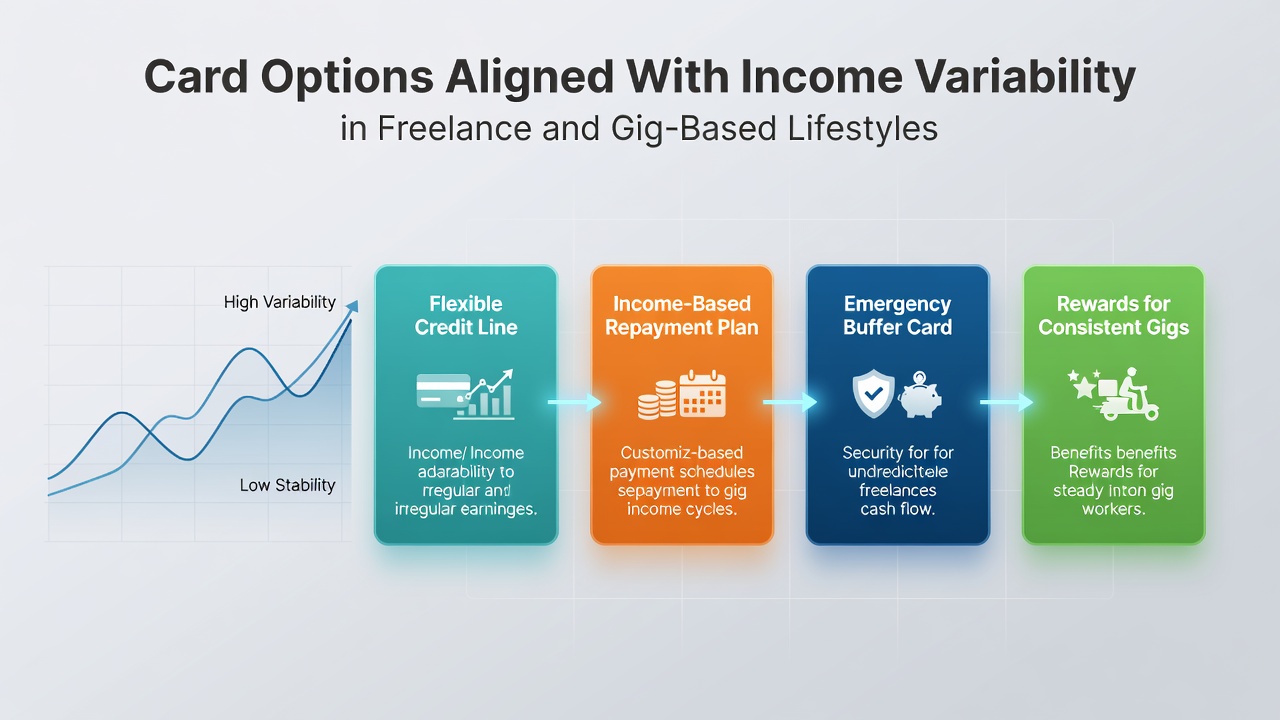
Freelancers and gig workers face income patterns that rise and fall with project cycles, client payments, and platform demand, which creates distinct needs when selecting credit cards. Data from labor market analyses show that many independent contractors receive payments at irregular intervals rather than fixed biweekly schedules, and this variability influences choices around fees, rewards structures, and payment flexibility. Cards with no annual fees and adaptable reward categories often align better with spending that shifts month to month, while cards carrying high fixed costs can erode margins during slower periods.
Patterns of Income Fluctuation and Card Selection Factors
Studies from government statistical agencies indicate that gig economy participants in multiple regions experience monthly revenue swings exceeding 30 percent in many cases, and observers note that this pattern affects how individuals manage revolving credit. Cards offering extended grace periods on purchases allow users to align repayment with incoming invoices, whereas products with rigid due dates can trigger interest charges when cash arrives late. Those who track spending across categories such as software subscriptions, transportation, and client entertainment frequently find value in cards that rotate bonus categories or provide flat cash-back rates without minimum thresholds.
Secured credit cards, which require a cash deposit that serves as the credit limit, provide an entry point for individuals building or rebuilding credit histories amid unpredictable earnings, and research from financial institutions shows these products report to major bureaus just like unsecured accounts. Prepaid cards linked to spending accounts have gained traction because they prevent overspending during high-income months while avoiding debt accumulation in leaner ones, yet they typically forgo the credit-building function that many gig workers seek for future loan applications.
Card Features That Accommodate Cash Flow Timing
Rewards programs tied to everyday purchases rather than high annual spending volumes suit workers whose monthly outlays vary, and industry reports document that categories such as fuel, office supplies, and digital advertising often match common freelancer expenses. Cards that permit balance transfers with promotional interest rates give temporary relief when bridging gaps between project completions and client remittances, although terms vary by issuer and require careful review of transfer fees. Automatic payment options linked to business bank accounts reduce the risk of missed due dates during periods of travel or intense project work, and several issuers now allow users to adjust payment dates within a billing cycle without penalty.
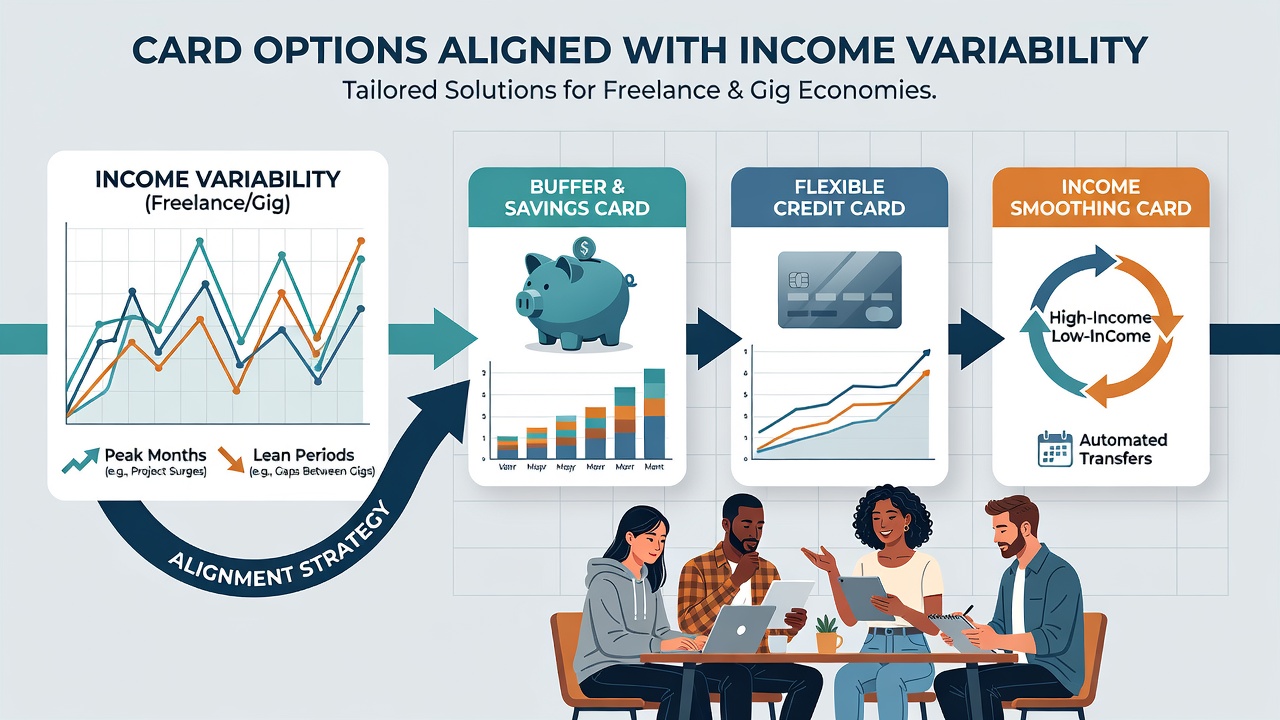
Figures from labor statistics agencies in North America and Europe reveal that a growing share of independent contractors maintain multiple income streams, which in turn supports the use of cards offering tiered rewards across different merchant types. Debit cards paired with high-yield checking accounts sometimes serve as complements rather than replacements, since they provide immediate access to funds without interest charges yet lack the float that credit cards extend. Observers have noted that products marketed specifically to small businesses increasingly include features such as expense categorization tools and integration with accounting software, which help track deductible costs across variable revenue months.
Regional Approaches and Data Trends Through 2026
Regulatory updates in several jurisdictions have encouraged issuers to disclose clearer terms around variable-rate products, and as of September 2026 new reporting requirements in parts of the European Union highlight average interest costs for revolving balances held by self-employed users. Canadian government surveys similarly track how gig workers utilize credit products to smooth income gaps, while Australian financial regulators publish periodic updates on consumer credit usage among platform-based workers. These datasets show that cards with low ongoing interest rates and no foreign transaction fees support those who accept international clients or travel for assignments.
University-led research projects have examined correlations between credit product selection and financial stability among freelancers, finding that accounts with flexible minimum payment options correlate with lower delinquency rates during documented slowdowns in platform demand. Industry associations representing payment networks continue to release usage statistics segmented by employment type, and these figures indicate rising adoption of contactless and mobile-linked cards among independent contractors who value speed at point of sale.
Conclusion
Card options for freelancers and gig workers center on features that respond to irregular cash inflows and outflows, including adaptable rewards, fee structures without fixed annual costs, and tools that support credit building or cash-flow timing. Government and academic sources document how these products intersect with broader labor market shifts, and data through September 2026 continue to reflect ongoing adaptation by both issuers and users to the realities of variable earnings. Individuals reviewing available products can cross-reference current terms directly with issuers while consulting public statistical releases for context on usage patterns across regions.