Secured Card Options Facilitating Credit Development Within Home Renovation Loan Timelines
Written by Nils Patterson · Nov 16, 2026
Secured Card Options Facilitating Credit Development Within Home Renovation Loan Timelines
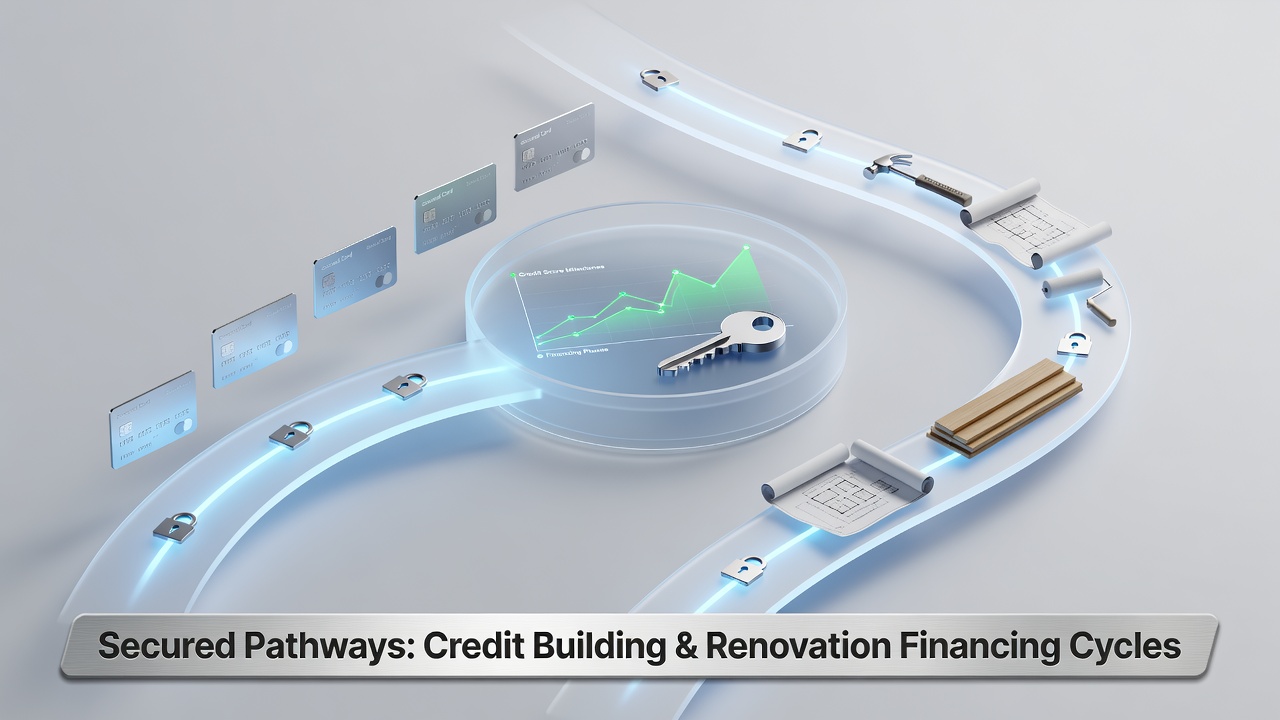
Secured cards function as tools that allow individuals to establish or rebuild credit histories through deposits that serve as collateral for credit lines, and this mechanism proves particularly relevant during periods when consumers manage home renovation financing cycles that often involve multiple loan inquiries and payment structures. Home renovation projects typically require substantial capital, leading many people to pursue personal loans, home equity lines, or contractor financing arrangements that generate hard credit pulls and increase debt-to-income ratios over time.
Mechanics of Secured Cards in Credit Profile Construction
Issuers extend credit limits equal to the security deposit amount placed by the cardholder, and responsible use through on-time payments reports to major credit bureaus as positive activity that raises scores according to standard FICO and VantageScore models. Payment history constitutes the largest factor in these calculations, which means consistent reporting from secured card activity can offset negative marks from prior inquiries tied to renovation financing applications. Researchers at institutions such as the Federal Reserve Bank of New York have documented how secured products contribute to score improvements when utilization stays below thirty percent and accounts remain open for at least twelve months.
Those managing renovation cycles frequently encounter temporary score dips from multiple inquiries within short windows, yet secured card programs provide a pathway to demonstrate payment reliability without requiring additional unsecured borrowing. Credit bureaus record these behaviors monthly, which gradually strengthens profiles even as homeowners juggle contractor payments and loan installments.
Financing Cycles and Their Impact on Credit Metrics
Renovation financing often follows predictable seasonal patterns, with applications peaking in spring and fall months when property owners address structural repairs or upgrades before winter conditions set in. Data from industry reports indicate that average home improvement loans in late 2025 carried terms spanning twenty-four to sixty months, creating sustained payment obligations that influence revolving credit availability. In November 2026, observers note continued pressure on credit scores as interest rate environments affect approval thresholds for both secured and unsecured products across multiple regions.
Integration Strategies During Active Renovation Periods
People frequently open secured card accounts early in renovation planning phases to establish positive tradelines before submitting larger loan applications, which helps maintain overall credit diversity. Utilization management becomes critical because renovation expenses often increase balances across multiple accounts simultaneously. Experts recommend keeping combined balances low relative to limits, since high utilization signals risk to scoring algorithms even when payments remain current.
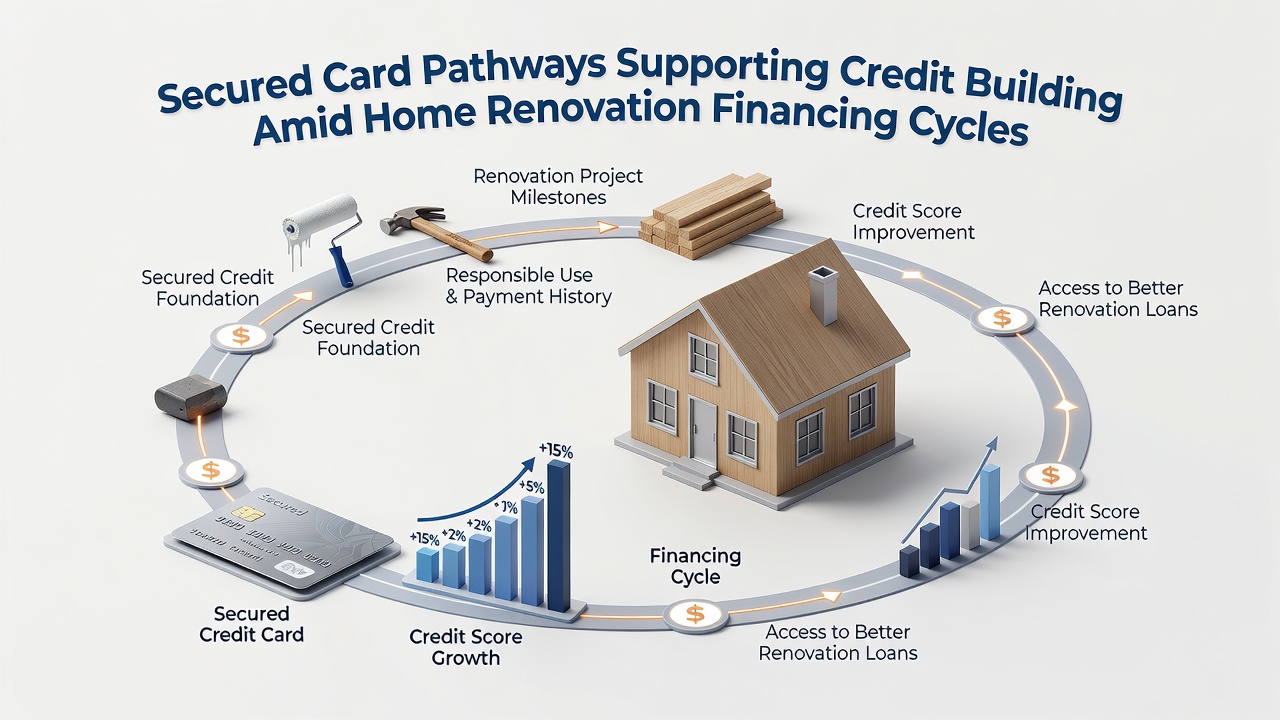
One documented approach involves converting secured accounts to unsecured status after twelve to eighteen months of positive history, freeing the original deposit while preserving the established credit line. This transition supports ongoing financing needs without requiring new applications that could trigger additional inquiries during active renovation phases.
Geographic Variations in Product Availability and Regulation
Regulatory frameworks differ across jurisdictions, with the Consumer Financial Protection Bureau in the United States overseeing disclosure requirements for secured card fees and deposit terms. In Canada, the Financial Consumer Agency provides oversight on similar products, while the Australian Securities and Investments Commission monitors credit card practices through responsible lending obligations. These variations influence how issuers structure secured offerings and how consumers can leverage them alongside home financing arrangements in each market.
Studies from academic sources, including research published by the University of Pennsylvania's Wharton School, highlight that secured card adoption rates increase among borrowers who have recently completed major property improvements, suggesting a direct correlation between renovation financing activity and credit-building product usage. Figures from these analyses reveal average score gains of twenty to forty points within the first year for users who maintain low utilization and avoid additional hard inquiries.
Practical Considerations for Sustained Credit Growth
Account holders benefit from monitoring reports through annual free services provided by authorized bureaus, which allows timely identification of reporting errors from either secured card issuers or renovation lenders. Automated payment setups reduce missed deadlines during busy construction periods when attention focuses on project management rather than bill cycles. Some issuers offer credit limit increases after six months of consistent behavior, which further improves utilization ratios without requiring new deposits.
Evidence from longitudinal data sets shows that individuals who pair secured card use with disciplined management of renovation-related debt achieve more stable credit profiles over multi-year cycles compared to those relying solely on traditional credit products. This stability supports future borrowing needs, including potential resale or refinancing scenarios that often follow major home projects.
Conclusion
Secured card pathways provide measurable support for credit development amid the demands of home renovation financing cycles through structured reporting, utilization control, and gradual account maturation. Available data across multiple regulatory environments demonstrates consistent patterns of score improvement when users apply these products strategically before and during active financing periods. Continued monitoring of seasonal trends and product transitions remains essential for maintaining progress as renovation timelines evolve into 2026 and beyond.